
Have you ever felt your heart racing for no reason? Maybe your mind won’t stop spinning with “what if” thoughts, or your chest feels tight like someone’s sitting on it. You’re not alone. Anxiety affects millions of people, and it can feel like you’re trapped in a storm with no way out.
Here’s the good news: you don’t need medication to find relief. While medication helps many people, there are powerful, natural ways to calm your nervous system and take back control of your mind. These aren’t quick fixes or magical cures—they’re proven strategies backed by science and used by real people who’ve learned to reduce anxiety naturally.
In this article, you’ll discover seven practical methods that work with your body’s natural rhythms. No complicated routines. No expensive supplements. Just honest, actionable steps you can start using today to feel calmer, more grounded, and more like yourself again.
Let’s begin.
1. Master Your Breath: The Fastest Way to Calm Your Nervous System
Why Breathing Matters More Than You Think
When anxiety hits, your breathing changes. It becomes shallow and rapid, signaling to your brain that you’re in danger. This triggers even more anxiety—it’s a vicious cycle. But here’s the beautiful part: you can reverse it.
Deep breathing activates your parasympathetic nervous system, which is like hitting the “calm down” button in your body. It tells your brain, “We’re safe. Everything’s okay.”
The 4-7-8 Breathing Technique
This simple exercise can reduce anxiety naturally within minutes:
- Breathe in through your nose for 4 counts
- Hold your breath for 7 counts
- Exhale slowly through your mouth for 8 counts
- Repeat 4 times
Think of it like rebooting a computer. You’re resetting your nervous system and giving your body permission to relax.
Box Breathing for Daily Anxiety
Navy SEALs use this technique in high-stress situations:
- Inhale for 4 counts
- Hold for 4 counts
- Exhale for 4 counts
- Hold for 4 counts
You can do this anywhere—in your car, at your desk, or before bed. Your breath is always with you, making it the most accessible anxiety tool you have.
2. Move Your Body: Exercise as Natural Anxiety Medicine
How Movement Changes Your Brain Chemistry
Exercise isn’t just about getting fit. When you move your body, you release endorphins—natural chemicals that improve mood and reduce stress. You also lower cortisol, the stress hormone that fuels anxiety.
A 30-minute walk can be as effective as medication for some people. You’re literally walking away from anxiety.
The Best Types of Exercise for Anxiety Relief
You don’t need to run marathons. These gentle options work wonders:
- Walking in nature: Fresh air plus movement equals a powerful combination
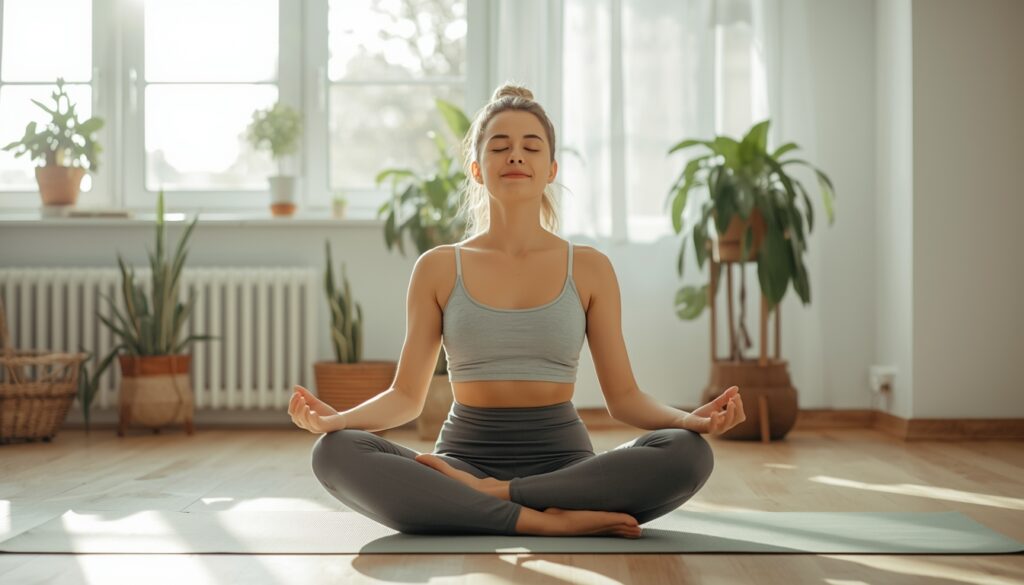
- Yoga: Combines breath work with gentle stretching
- Dancing: Releases tension while boosting mood
- Swimming: The water itself has a calming effect
- Cycling: Rhythmic movement that clears your mind
Start Small and Build Consistency
If you’re anxious about exercising (yes, that’s a real thing), start with just five minutes. Take a short walk around your block. Do some gentle stretches in your living room. Small steps count, and consistency beats intensity every time.
Sarah, a graphic designer, used to feel paralyzed by anxiety. She started taking 10-minute morning walks. Six months later, those walks became her favorite part of the day—and her anxiety decreased significantly.
3. Feed Your Brain: Foods That Naturally Fight Anxiety
The Gut-Brain Connection You Need to Know
Your gut and brain are in constant communication. About 90% of your serotonin (the “happy chemical”) is made in your gut, not your brain. When you eat poorly, your gut suffers—and so does your mental health.
Anxiety-Fighting Foods to Add to Your Diet
These foods help stabilize mood and reduce anxiety naturally:
- Fatty fish (salmon, mackerel): Rich in omega-3s that support brain health
- Leafy greens (spinach, kale): Packed with magnesium, nature’s relaxant
- Fermented foods (yogurt, kimchi): Feed healthy gut bacteria
- Nuts and seeds: Contain zinc and healthy fats that regulate mood
- Berries: Antioxidants that protect against stress
- Whole grains: Provide steady energy without blood sugar spikes
- Chamomile tea: Contains compounds that bind to anxiety receptors
What to Avoid When You’re Anxious
Some foods and drinks make anxiety worse:
- Caffeine: Increases heart rate and can trigger panic
- Alcohol: Temporarily relaxing but worsens anxiety later
- Processed sugar: Creates energy crashes and mood swings
- Fried foods: Harder to digest, creating physical stress
You don’t have to be perfect. Just notice how different foods make you feel, and make small adjustments over time.
4. Prioritize Sleep: Your Brain’s Natural Reset Button
Why Anxiety and Poor Sleep Go Hand-in-Hand
Ever notice how everything feels worse when you’re tired? Lack of sleep makes your amygdala (the fear center of your brain) more reactive. Small problems feel like disasters. Sleep deprivation and anxiety feed each other in a destructive loop.
Creating a Sleep Routine That Works
Your body loves consistency. These habits signal it’s time to wind down:
- Set a consistent bedtime (yes, even on weekends)
- Dim lights 1-2 hours before bed
- Turn off screens 30 minutes before sleep
- Keep your bedroom cool (around 65-68°F)
- Use your bed only for sleep (and intimacy)
Natural Sleep Aids for Anxious Minds
If racing thoughts keep you awake:
- Try progressive muscle relaxation (tense and release each muscle group)
- Listen to sleep meditations or calming music
- Write down tomorrow’s worries to “park” them until morning
- Use lavender oil on your pillow
- Practice gratitude journaling before bed
Think of sleep as medicine. When you prioritize rest, you’re giving your brain the resources it needs to reduce anxiety naturally.
5. Practice Mindfulness: Stay Present Instead of Panicking
What Mindfulness Really Means
Mindfulness isn’t about emptying your mind or achieving perfect zen. It’s simply noticing the present moment without judgment. Anxiety lives in the future (“what if this happens?”) or the past (“I can’t believe I did that”). Mindfulness brings you back to right now.
And right now, in this moment, you’re probably okay.
Simple Mindfulness Practices for Beginners
The 5-4-3-2-1 Grounding Technique
When anxiety spikes, notice:
- 5 things you can see
- 4 things you can touch
- 3 things you can hear
- 2 things you can smell
- 1 thing you can taste
This pulls you out of anxious thoughts and into your body.
Body Scan Meditation
Lie down and mentally scan from your toes to your head, noticing any tension without trying to fix it. Just observe. This creates space between you and your anxiety.
Mindful Activities
You can practice mindfulness while:
- Washing dishes (feel the water temperature, notice the soap bubbles)
- Eating (taste each bite fully instead of mindlessly snacking)
- Walking (feel your feet touching the ground with each step)
The Power of Meditation (Even 5 Minutes Counts)
You don’t need to sit cross-legged for an hour. Apps like Headspace or Insight Timer offer guided meditations as short as three minutes. Consistency matters more than duration.
Michael, a teacher, struggled with constant worry. He started with just two minutes of breathing meditation each morning. After three months, his anxiety levels dropped noticeably—and he naturally extended his practice to 15 minutes because it felt so good.
6. Rewire Your Thinking: Challenge Anxious Thoughts
Understanding Your Anxiety Stories
Anxiety tells stories. “Everyone will laugh at me.” “I’m going to fail.” “Something terrible will happen.” These aren’t facts—they’re thoughts, and thoughts can be questioned.
The Cognitive Reframing Process
When an anxious thought appears, try this:
- Notice it: “I’m having the thought that I’ll mess up this presentation.”
- Question it: “Is this definitely true? What evidence do I have?”
- Find alternatives: “I’ve prepared well. Even if I stumble, people are usually kind.”
- Act opposite: Do the thing anyway, gathering real evidence instead of imagined scenarios.
Journaling to Reduce Anxiety Naturally
Writing down your anxious thoughts takes them out of your head and onto paper, where they have less power. Try these prompts:
- What am I worried about right now?
- What’s the worst that could realistically happen?
- What’s more likely to happen?
- What would I tell a friend in this situation?
- What can I control, and what can’t I control?
The Worry Dump Technique
Set a timer for 10 minutes and write every worry down. Don’t edit or censor. Just dump it all out. You’ll often find that once written, worries lose their grip.
7. Connect With Nature and Light: Ancient Remedies for Modern Anxiety
Why Sunlight Matters for Mental Health
Sunlight regulates your circadian rhythm and boosts serotonin production. Just 15-20 minutes of morning sunlight can improve mood and reduce anxiety naturally throughout the day.
In winter months or low-light seasons, many people experience increased anxiety. Getting outside—even on cloudy days—makes a difference.
The Healing Power of Nature
Research shows that spending time in nature lowers cortisol, reduces blood pressure, and calms the mind. Forest bathing (walking mindfully in nature) is a prescribed therapy in Japan for good reason.
You don’t need to hike mountains. These small nature doses help:
- Eat lunch in a park instead of at your desk
- Keep plants in your home or workspace
- Open windows for fresh air and natural sounds
- Walk barefoot on grass (grounding/earthing)
- Watch sunrise or sunset
- Listen to nature sounds if you can’t get outside
Limit Digital Anxiety Triggers
Constant news, social media comparisons, and screen time overstimulate your nervous system. Create boundaries:
- Set specific times to check news and social media
- Turn off non-essential notifications
- Use blue light filters in the evening
- Take regular “digital detox” breaks
- Follow accounts that uplift rather than stress you
Jessica, a marketing manager, realized that scrolling Instagram first thing in the morning spiked her anxiety. She started her day with a walk instead, checking her phone only after breakfast. This simple switch transformed her mornings from anxious to peaceful.
Building Your Personal Anxiety-Relief Toolkit
You don’t need to do everything at once. That’s overwhelming, and overwhelm feeds anxiety. Instead, choose one or two strategies that resonate with you and practice them consistently.
Maybe you start with morning walks and bedtime breathing exercises. Or perhaps you focus on cutting caffeine and adding more leafy greens to your meals. Small, sustainable changes compound over time.
Suggested Internal Links
Consider reading related articles such as:
- “10 Morning Habits That Transform Your Mental Health”
- “The Complete Beginner’s Guide to Meditation for Anxiety”
- “How to Build Unshakeable Confidence in 30 Days”

Conclusion
Anxiety doesn’t have to control your life. While it may never disappear completely—and that’s okay—you can learn to reduce anxiety naturally and dramatically improve how you feel day-to-day.
Remember these seven proven approaches: master your breath, move your body, nourish your brain with good food, prioritize quality sleep, practice mindfulness, challenge anxious thoughts, and reconnect with nature and light. Each one works with your body’s natural healing abilities.
Progress isn’t linear. Some days will feel harder than others, and that’s part of being human. What matters is that you keep showing up for yourself with patience and compassion.
You already took an important step by reading this article. That shows you’re ready to make changes. Trust the process, be consistent, and celebrate small wins along the way.
Your calmer, more peaceful self is waiting on the other side of these practices. You’ve got this.
Frequently Asked Questions
How long does it take to reduce anxiety naturally?
Most people notice improvements within 2-4 weeks of consistent practice. Small changes in breathing and movement can provide immediate relief, while diet and lifestyle shifts take longer to show results. Be patient with yourself—lasting change requires time.
Can natural methods replace anxiety medication?
Natural strategies work wonderfully for mild to moderate anxiety, and many people successfully manage symptoms without medication. However, if you’re currently on medication or have severe anxiety, never stop treatment without consulting your healthcare provider. Natural methods can complement medication, not necessarily replace it.
What’s the single best natural remedy for anxiety?
There’s no one-size-fits-all answer because everyone’s anxiety is different. However, deep breathing exercises offer the fastest relief because they directly calm your nervous system. Start there, then add other strategies that resonate with your lifestyle.
Will exercise make my anxiety worse initially?
Some people experience temporary anxiety when starting exercise, especially if they’re not used to increased heart rate. Start gently with walking or stretching, and remember that the long-term benefits far outweigh initial discomfort. Your body will adjust within a few sessions.
How do I know if my anxiety needs professional help?
Seek professional support if anxiety interferes with daily activities, relationships, or work; if you have panic attacks; if you avoid important situations due to fear; or if you have thoughts of self-harm. Natural methods work best for mild to moderate anxiety, but severe cases benefit from therapy or counseling combined with natural approaches.
Explore More Articles to Empower Your Life
If you found value in learning how to Rewire Your Brain, you’ll love these related articles designed to help you grow and take control of your life:
- 7 Proven Ways to Calm Your Mind Before Sleep and Fall Asleep Faster
- 7 Clear Signs of Mental Exhaustion and How to Recover Naturally
- 7 Productivity Habits of Highly Successful People That Actually Work
- 7 Time Management Skills to Master Your Day
If you’re interested in exploring deeper perspectives on the human mind, intelligence, spirituality, and moral growth, you may also find value in thoughtful articles published on Kham Khayal. The platform explores topics like human intelligence, the psychology behind forgiveness, spiritual awareness, and timeless moral values through a reflective and culturally rich lens. Reading diverse viewpoints helps broaden understanding and supports personal growth on multiple levels.