

You brush your teeth, you lock the door, you set your alarm but what if I told you that some of your bedtime “habits” are quietly damaging your body and mind every single night?
Most of us think we’re doing everything right when it comes to sleep. We get in bed at a reasonable hour, close our eyes, and hope for the best. But here’s the uncomfortable truth: the average person makes at least three to five critical sleep mistakes every single day, and they don’t even realize it.
These sleep mistakes aren’t just about feeling groggy the next morning. They’re linked to weight gain, anxiety, weakened immunity, decreased productivity, and even long-term chronic diseases. The World Health Organization has called sleep deprivation a “public health epidemic,” yet most of us continue making the same sleep mistakes night after night.
In this article, we’re going to uncover the most common sleep mistakes that could be ruining your health and more importantly, I’ll show you exactly how to fix them. These aren’t complicated medical interventions or expensive gadgets. Just simple, actionable changes that can transform the way you feel, think, and perform every day.
Let’s dive in.
The 7 Sleep Mistakes Sabotaging Your Health
1. Using Your Phone Before Bed (One of the Most Common Sleep Mistakes)
The Mistake:
It’s 11 PM. You’re in bed, scrolling through Instagram, checking emails, or watching “just one more” TikTok video. Sound familiar? This is perhaps one of the biggest sleep mistakes people make in the modern era.
Why It’s Destroying Your Sleep:
Your phone emits blue light, which tricks your brain into thinking it’s still daytime. This suppresses melatonin the hormone that signals your body to sleep. Studies show that just two hours of blue light exposure before bed can delay melatonin release by up to three hours.
But it’s not just the light. The content you consume whether it’s work emails, news headlines, or social media drama activates your stress response. Your brain shifts into problem-solving mode when it should be winding down.
The Fix:
Set a “digital sunset” at least 60-90 minutes before bed. Charge your phone in another room. If you must use it, enable night mode and keep it at arm’s length. Replace scrolling with a book, journaling, or light stretching. Breaking this sleep mistake alone can improve your rest quality by 30%.
2. Inconsistent Sleep Schedule (A Critical Sleep Mistake Most People Ignore)
The Mistake:
You sleep at 10 PM on weekdays but stay up until 2 AM on weekends. Monday morning hits, and you feel like you’ve been hit by a truck. This inconsistency is one of those sleep mistakes that compounds over time.
Why It Wrecks Your Body:
Your body runs on a circadian rhythm an internal 24-hour clock that regulates sleep, hunger, mood, and even digestion. When you constantly shift your sleep times, you create something called “social jet lag.” It’s like traveling across time zones every week, confusing your body’s natural rhythm.
This inconsistency is linked to increased risk of obesity, diabetes, depression, and cardiovascular disease. Your hormones can’t regulate properly, your metabolism slows down, and your immune system weakens. Among all sleep mistakes, this one has the most far-reaching health consequences.
The Fix:
Go to bed and wake up at the same time every day yes, even on weekends. Give yourself a 30-minute window max. Your body craves consistency. Within two weeks of correcting this sleep mistake, you’ll notice you wake up naturally without an alarm.
3. Eating Heavy Meals Too Close to Bedtime
The Mistake:
You finish dinner at 9 PM, or worse, you snack on chips and ice cream right before crawling into bed. This is one of those sleep mistakes that seems harmless but causes significant damage.
Why It’s a Problem:
Digestion requires energy and blood flow, which raises your core body temperature exactly the opposite of what your body needs to fall asleep. When you lie down with a full stomach, you’re also more likely to experience acid reflux, heartburn, and bloating.
Research shows that eating within two to three hours of bedtime can significantly reduce sleep quality and increase nighttime awakenings. Many people don’t realize they’re making this sleep mistake until they track their habits.
The Fix:
Finish your last substantial meal at least three hours before bed. If you’re genuinely hungry later, opt for light, sleep-friendly snacks like a banana, a handful of almonds, or a small bowl of oatmeal. These contain tryptophan and magnesium, which actually promote better sleep.
4. Sleeping in a Warm Room (An Overlooked Sleep Mistake)
The Mistake:
You keep your bedroom cozy and warm, thinking it’ll help you sleep better. Or maybe you’re just trying to save on electricity. Either way, this is one of the most underestimated sleep mistakes.
Why It Backfires:
Your body needs to drop its core temperature by about 2-3 degrees Fahrenheit to initiate and maintain deep sleep. A warm room prevents this natural cooling process, keeping you in lighter stages of sleep and causing you to wake up frequently.
The ideal bedroom temperature for sleep is between 60-67°F (15-19°C). Anything warmer can disrupt your sleep architecture and reduce REM sleep the stage crucial for memory consolidation and emotional regulation.
The Fix:
Lower your thermostat, use a fan, or crack a window. Invest in breathable bedding made from natural materials like cotton or bamboo. If you get cold easily, wear light pajamas or use a lighter blanket but keep the room itself cool. Fixing this simple sleep mistake can improve deep sleep by up to 20%.
5. Drinking Alcohol as a Sleep Aid (A Dangerous Sleep Mistake)
The Mistake:
You have a glass of wine or two to “relax” and fall asleep faster. It works, so what’s the problem? Unfortunately, this is one of those sleep mistakes that feels helpful but causes serious harm.
Why It’s Damaging:
While alcohol might help you fall asleep initially, it severely disrupts the second half of your sleep cycle. Alcohol suppresses REM sleep and causes frequent awakenings as your body metabolizes it. You might sleep for eight hours but wake up feeling exhausted.
Regular use of alcohol as a sleep aid can lead to dependency, worsen anxiety and depression, and increase your risk of developing sleep disorders like sleep apnea. Among all the sleep mistakes discussed here, this one has the most potential for creating long-term problems.
The Fix:
Avoid alcohol at least three to four hours before bed. If you want to relax, try herbal teas like chamomile or valerian root, practice deep breathing exercises, or take a warm bath. These naturally support your body’s wind-down process without the negative side effects.
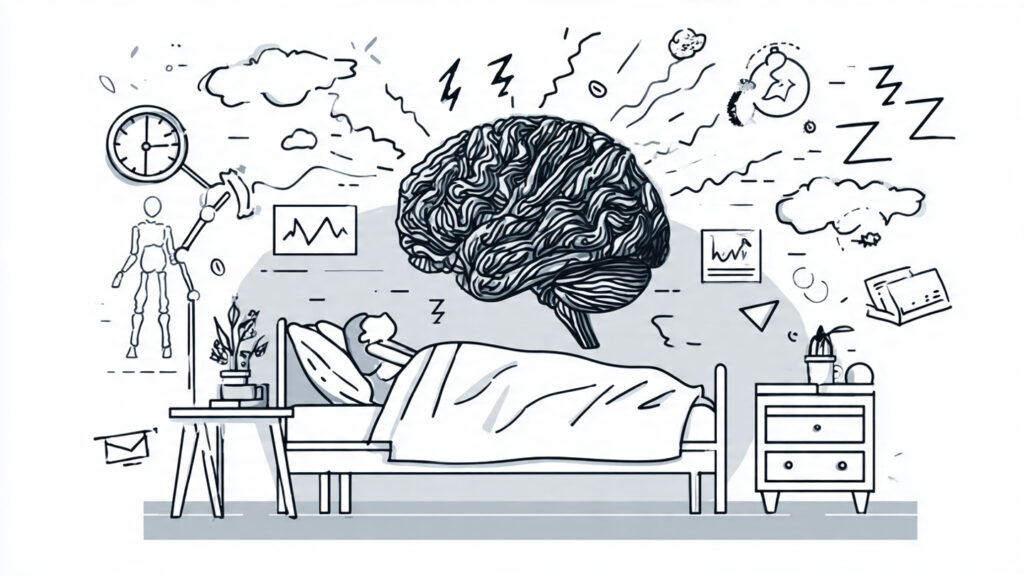
6. Ignoring Your Sleep Environment (Environmental Sleep Mistakes)
The Mistake:
Your bedroom is cluttered, brightly lit, or doubles as your home office. Maybe your mattress is 10 years old and your pillow is flat. These environmental sleep mistakes are often the easiest to fix but the most commonly ignored.
Why It Matters More Than You Think:
Your bedroom should signal one thing to your brain: sleep. When your environment is chaotic, uncomfortable, or filled with work reminders, your mind stays alert. Poor-quality mattresses and pillows can cause pain, discomfort, and constant tossing all of which fragment your sleep.
Light pollution from street lamps, electronics, or even your alarm clock can prevent deep sleep, even with your eyes closed. These sleep mistakes create a cycle where your bedroom becomes associated with stress rather than rest.
The Fix:
Create a sleep sanctuary. Invest in blackout curtains, remove electronics, and declutter your space. Make sure your mattress and pillows support your body properly. Use white noise machines or earplugs if noise is an issue. Your bedroom should be dark, quiet, cool, and comfortable nothing else.
7. Not Having a Wind-Down Routine (The Foundation Sleep Mistake)
The Mistake:
You’re working, watching an intense movie, or having a heated discussion right up until you turn off the lights. Then you wonder why you can’t fall asleep. This lack of transition is a fundamental sleep mistake.
Why You Need Transition Time:
Sleep isn’t an on-off switch. Your body needs time to transition from wakefulness to sleep. Without a consistent wind-down routine, your nervous system stays in “fight or flight” mode, flooding your body with cortisol and adrenaline. This is one of those sleep mistakes that affects both how quickly you fall asleep and the quality of that sleep.
The Fix:
Create a 30-60 minute bedtime ritual that signals to your body it’s time to sleep. This could include: dimming the lights, taking a warm shower, reading, doing gentle stretches, practicing gratitude, or meditating. The key is consistency do the same routine every night, and your body will start preparing for sleep automatically.
How Sleep Mistakes Impact Your Health
Mental Health Consequences
Chronic poor sleep habits and repeated sleep mistakes don’t just make you tired—they fundamentally alter your brain chemistry. Sleep deprivation reduces activity in the prefrontal cortex, the part of your brain responsible for rational thinking and emotional regulation. This is why everything feels more overwhelming when you’re exhausted.
Studies show that people who consistently make sleep mistakes have a 40% higher risk of developing depression and anxiety disorders. Your brain literally can’t process emotions properly without adequate sleep. The cumulative effect of these sleep mistakes on mental health cannot be overstated.
Physical Health Damage
Your body does most of its healing and repair during deep sleep. When you consistently make sleep mistakes, you’re interrupting this critical process. The consequences include:
- Weakened immune system: Making you more susceptible to infections
- Weight gain: Sleep deprivation increases hunger hormones and decreases satiety signals
- Increased inflammation: Contributing to chronic diseases
- Higher blood pressure: Straining your cardiovascular system
- Insulin resistance: Increasing diabetes risk
Every sleep mistake you make compounds these effects, creating a downward spiral of declining health.
Productivity and Performance Decline
Even mild sleep deprivation from common sleep mistakes impairs your cognitive function as much as being legally drunk. Your reaction times slow, your memory suffers, and your decision-making becomes questionable. For anyone trying to improve their life, build a business, or achieve goals, these sleep mistakes are sabotaging your efforts before you even start.
Actionable Tips to Transform Your Sleep Tonight
Start Small: Don’t try to fix all your sleep mistakes at once. Pick one or two from this list and commit to changing them for two weeks. Once they become habits, add another.
Track Your Progress: Use a sleep journal or app to monitor how correcting these sleep mistakes affects your energy, mood, and productivity. Seeing the results will motivate you to maintain your new habits.
Be Patient: Your body might take 1-2 weeks to adjust to new sleep patterns after years of making these sleep mistakes. Don’t give up if you don’t see immediate results.
Morning Matters Too: Get sunlight exposure within 30 minutes of waking up. This helps regulate your circadian rhythm and makes falling asleep easier at night, preventing future sleep mistakes.
Move Your Body: Regular exercise improves sleep quality just not within 2-3 hours of bedtime, as it can be too stimulating.
Identify Your Pattern: Look back at this list and honestly assess which sleep mistakes you’re making most frequently. Self-awareness is the first step to change.
Conclusion
The sleep mistakes we’ve covered aren’t just bad habits they’re stealing your health, happiness, and potential one night at a time. The good news? Every single one of these sleep mistakes is completely fixable starting tonight.
You don’t need expensive supplements, complicated sleep tracking devices, or a complete life overhaul. Just consistent, intentional changes to stop making these sleep mistakes. Better sleep leads to better energy, clearer thinking, improved mood, and a stronger, healthier body.
Your future self the one who wakes up refreshed, focused, and ready to conquer the day is waiting for you to correct these sleep mistakes. The question is: will you keep making the same errors, or will you finally prioritize the foundation of all self-improvement?
Remember, awareness of your sleep mistakes is the first step. Implementation of the fixes is the second. And consistency in avoiding these sleep mistakes is what will transform your life.
Sleep isn’t a luxury. It’s your body’s way of investing in tomorrow. Make that investment count by eliminating these sleep mistakes from your routine.
Sweet dreams, and here’s to your healthiest, most energized self.
Explore More Articles to Empower Your Life
If you found value in learning how to Rewire Your Brain, you’ll love these related articles designed to help you grow and take control of your life:
- 30 Proven Ways to Change Your Life in Just 30 Days
- 7 Proven Steps to Find Life Purpose and Passion
- 9 Proven Ways to Increase Energy Levels Naturally
- 7 Proven Night Routine Habits That Will Transform Your Sleep Tonight
If you’re interested in exploring deeper perspectives on the human mind, intelligence, spirituality, and moral growth, you may also find value in thoughtful articles published on Kham Khayal. The platform explores topics like human intelligence, the psychology behind forgiveness, spiritual awareness, and timeless moral values through a reflective and culturally rich lens. Reading diverse viewpoints helps broaden understanding and supports personal growth on multiple levels.